

Biomass and renewable energies
News06 de June de 2026
Biomass is all organic matter of plant or animal origin used to produce energy, such as coal, firewood, sugarcane bagasse, etc. It has a prominent place in the global supply of renewable energy, in addition to reducing costs with forest management and mitigating climate change.
According to Embrapa technicians, gradually increasing the use of renewable energy sources in the energy matrix, especially bioenergy, can be one of the best solutions to the challenge of clean energy generation. When produced efficiently and sustainably, biomass offers many environmental, economic, and social benefits.
Advantages of biomass energy
- Renewable source
- Reduced cost
- Reduction in the emission of polluting gases
- Generation from various materials
- Reuse of waste
Biomass is considered a renewable energy source used to replace fossil fuels such as oil and coal, generate electricity in thermoelectric plants, and emit fewer polluting gases than non-renewable energy sources.
It is a traditional energy source worldwide, with emphasis on countries like China, Brazil, and India. In Brazil, biomass is primarily used for electricity generation and biofuel production. Sugarcane, for example, is the most used in Brazil.
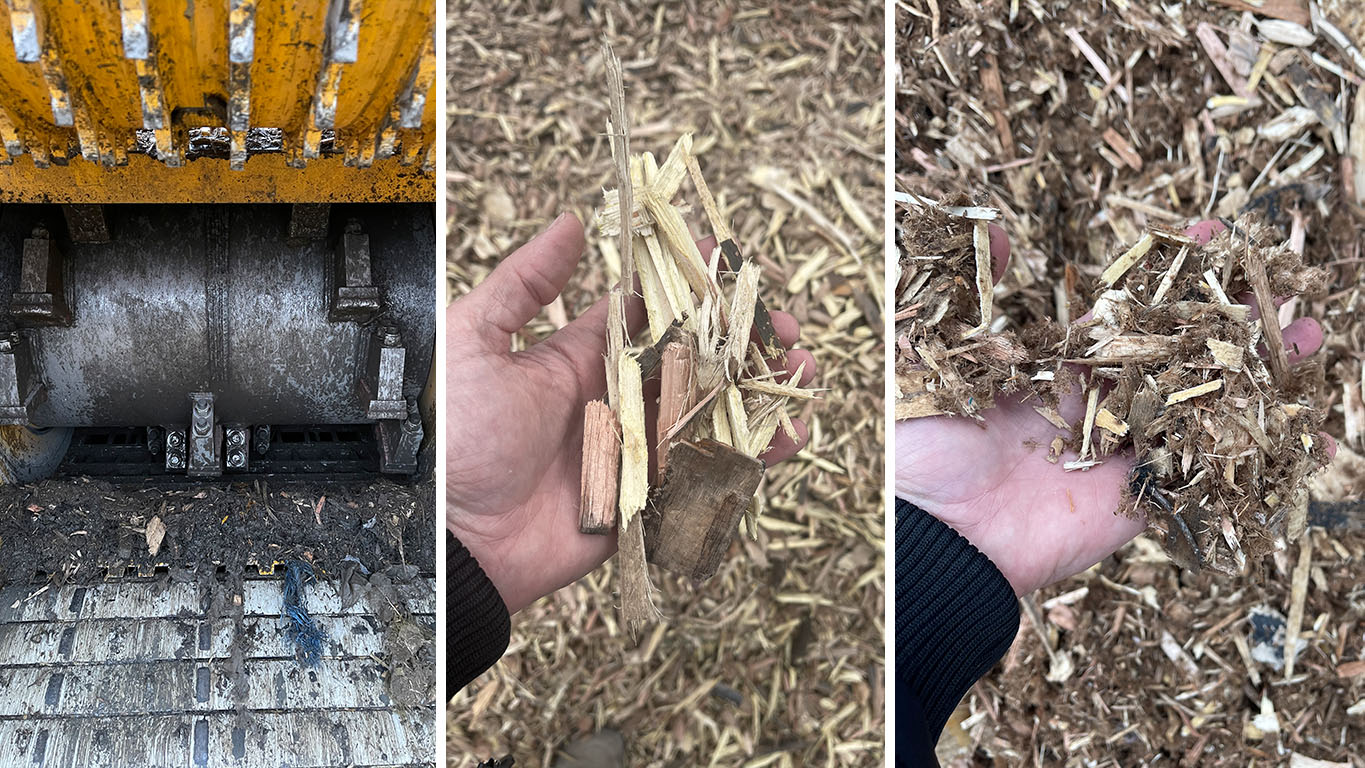
Lippel provides forestry and industrial equipment that utilize trees from orchards, fruit growing, citrus farming, and reforestation, as well as industrial waste such as discarded wood, cotton leftovers, and sawdust.
Our line of forestry chippers, including Hercules, T-rex, Raptor, and Titan, allow the processing of diverse and bulky materials, such as branches, roots, leaves, trunks, logs, whole trees, round woods, discarded woods, producing wood chips on a large scale and converting them into biomass energy fuel.