

Embrapa studies the potential of using sorghum biomass for energy generation.
News27 de May de 2026
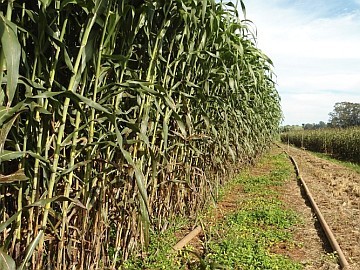
Embrapa has been developing a study since the end of 2013, which aims to evaluate the potential of sorghum biomass as an energy source. The experiments are being carried out in Mato Grosso, using a type of sorghum with a higher growth potential.
The study's proposal is to evaluate the viability of sorghum biomass in biofuel for thermal energy generation in boilers, which can be used for grain drying, or in mills and distilleries. The materials being tested were evaluated by Embrapa Corn and Sorghum, in Sete Lagoas (MG).
Sorghum biomass is a renewable energy source and can replace the use of eucalyptus wood. With the advantage of allowing greater flexibility in land use, in addition, planting can be done by seeds and its grain can be used for animal feed production.
Of African descent, sorghum adapts well to the climate, tolerating high temperatures and requiring little water for its development. Sorghum cultivation can be fully mechanized, using the same corn planters and sugarcane harvesters.
Sorghum biomass allows for a longer crop rotation, as the plant can be harvested 5 to 8 months after planting. While eucalyptus needs between 3 and 4 years before it can have its initial cuts. Another advantage of sorghum is that, according to research, its production can reach up to 60 tons of dry matter per hectare.