
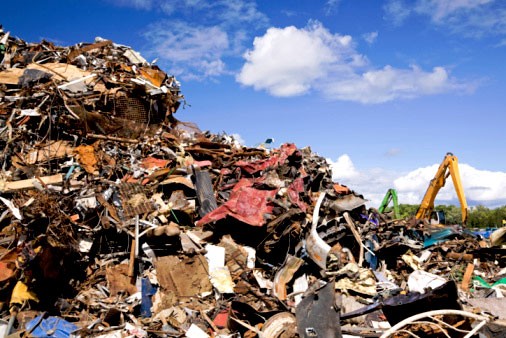
The National Solid Waste Policy comes into effect, but only 40% of cities have complied.
News05 de April de 2026
The National Solid Waste Policy came into effect on the last day of the 3rd, determining the closure of landfills in Brazil, as well as the implementation of selective waste collection in municipalities and treatment of recyclable waste.
According to the regulation, municipalities that continue to use open-air landfills may be held accountable for environmental crimes, with fines of up to 50 million, in addition to the risk of losing federal government funding and their mayors losing their mandate.
According to data from the Ministry of the Environment, only 40% of Brazilian municipalities have established measures to ensure proper disposal of non-reusable waste. For small cities that do not have the financial conditions to comply with the law, the solution is to form a consortium for the joint use of landfills.
Despite 60% of municipalities being non-compliant, the government will not extend the deadline for the program to take effect. It is estimated that these cities are responsible for about 40% of the waste generated in Brazil.
Cities that have not complied may request an extension of the deadline through a Conduct Adjustment Term, where the situation of each municipality will be analyzed.
Objectives of the National Solid Waste Policy
The National Solid Waste Policy aims to reduce the volume of waste generated, expand recycling, along with selective collection systems with the social inclusion of waste pickers, and the closure of landfills.
Landfills must be prepared to prevent soil contamination. Leachate, released during the decomposition process, must be treated, and the methane gas released must be burned.
According to the Ministry of the Environment, the National Solid Waste Policy should help Brazil recycle 20% of its waste by 2015. Data from the National Information System on Sanitation (SNIS) from 2012 show that only 1.5% of residential and public waste was recovered.